China Dream
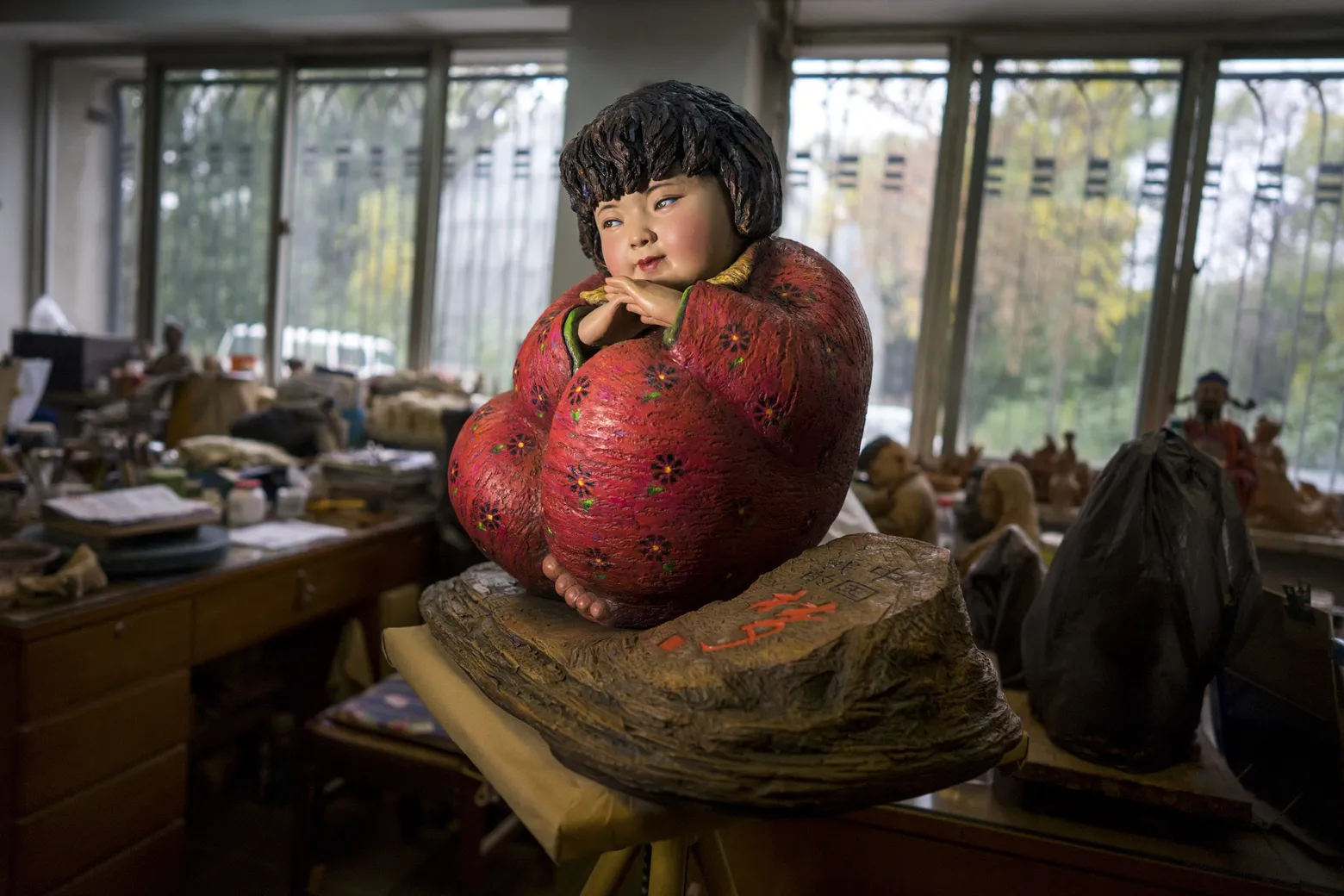
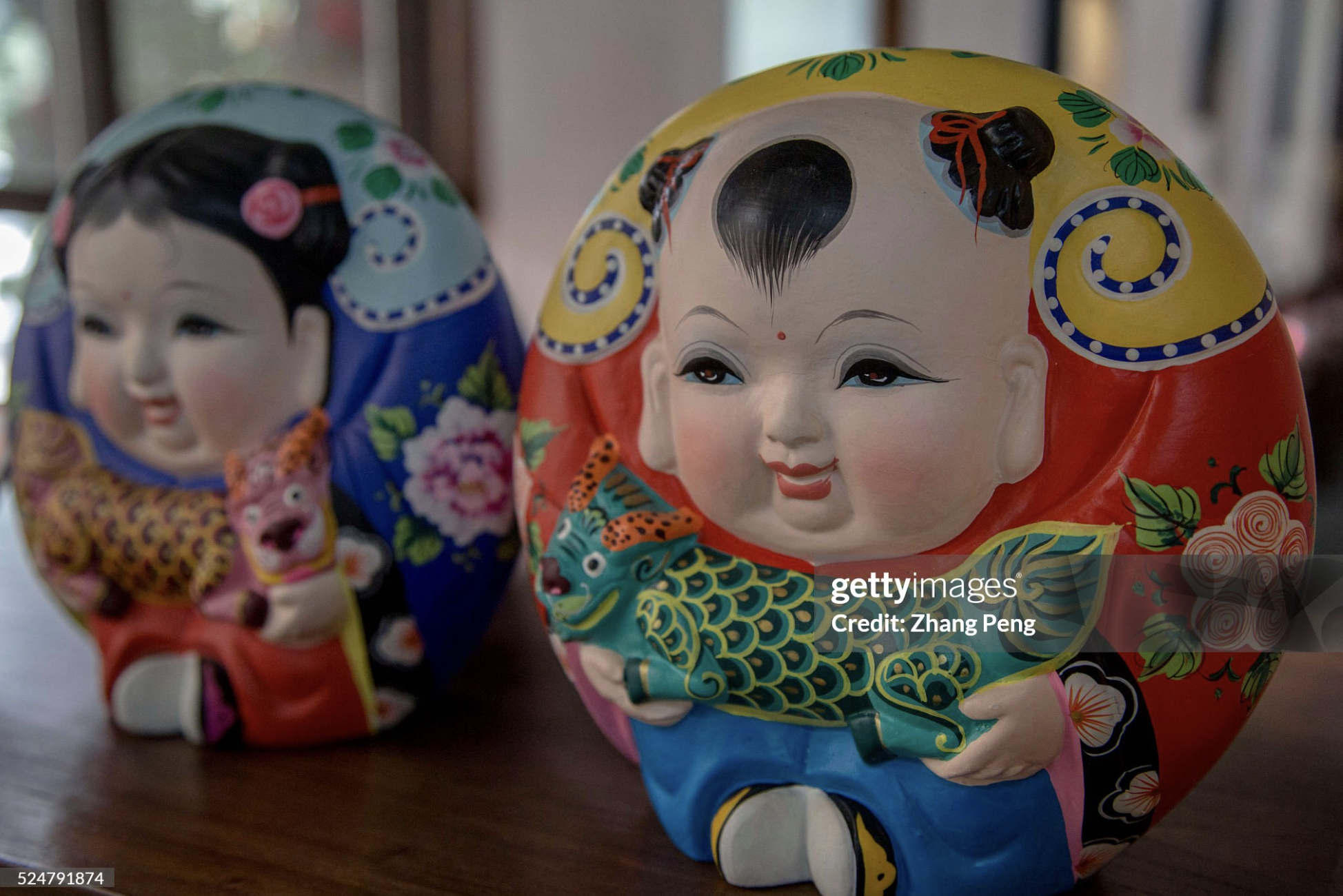
Connection to Clay FigurinesPublic Art Campaigns: The government frequently commissioned traditional artists—including masters of Clay Figurine Zhang and Huishan Clay Figurines—to create series depicting traditional values, filial piety, harmony, and prosperity under the “China Dream” banner.Intangible Cultural Heritage Boost: Under this cultural initiative, traditional folk crafts received increased national recognition, museum representation, and international photographic documentation (such as photojournalism series captured by photographers like Zhang Peng).Symbolism: Common motifs in these pieces include plump, smiling children (symbolizing abundance and future generations), peaceful family scenes, and classical heroes exemplifying integrity and duty.
gemini
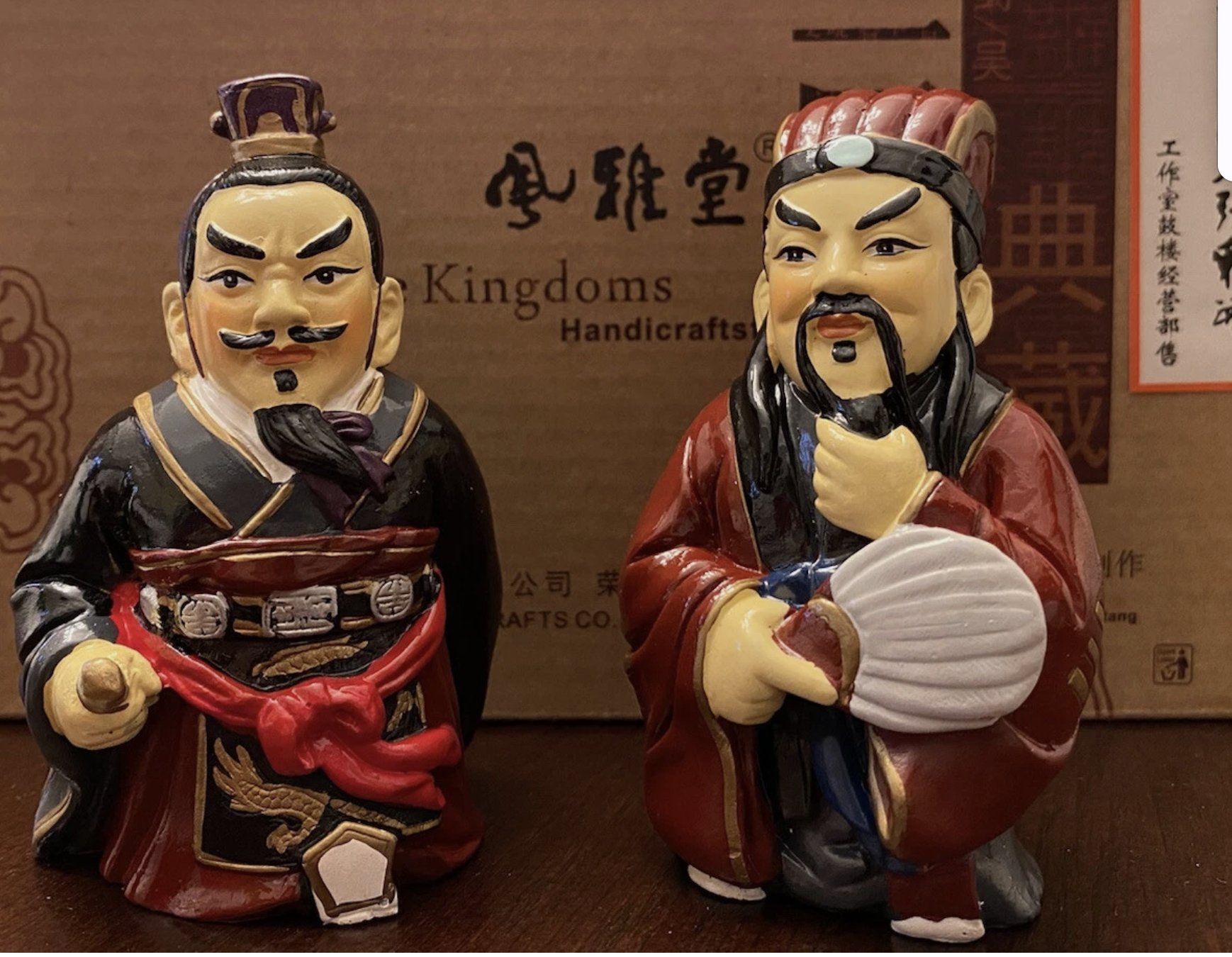
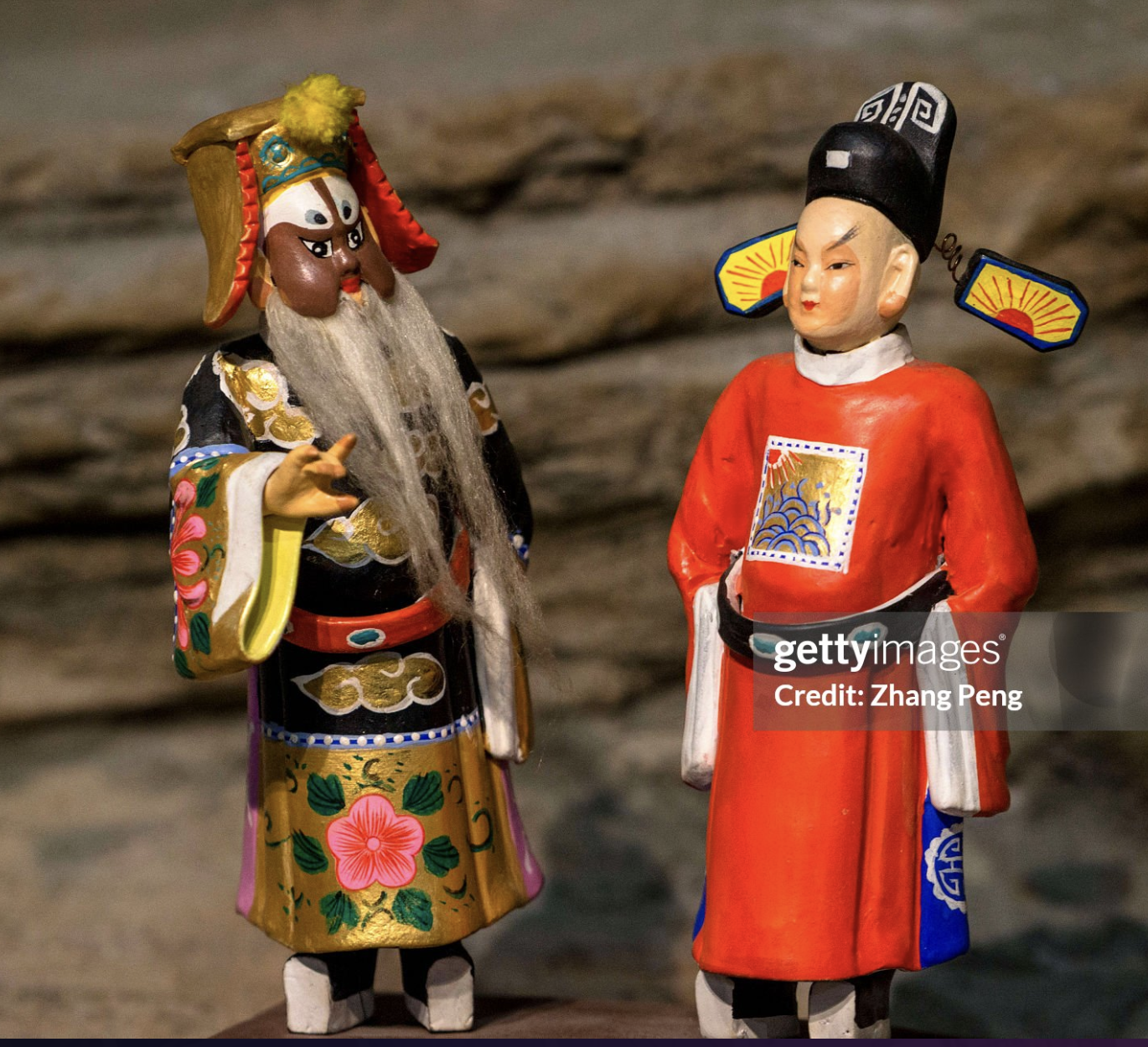
The figurines in these photos—captured by photographer Zhang Peng—represent two famous traditional Chinese folk art styles:Huishan Clay Figurines (惠山泥人)Origin: Wuxi, Jiangsu Province, China (dating back over 400 years).Craft & Materials: Crafted using fine, black, plastic clay found at the foot of Huishan Mountain.Style: Known for vibrant hand-painted colors, smooth shapes, and expressive facial details.Themes: Typically depict classical Chinese opera figures, mythological stories (such as Journey to the West), and auspicious traditional characters (like Fu dolls symbolizing good fortune and longevity).Clay Figurine Zhang (泥人张 – Niren Zhang)Origin: Tianjin, China (originated in the late Qing Dynasty by master folk artist Zhang Mingshan).Craft & Style: Renowned for highly detailed, lifelike facial expressions, realistic body posture, and elaborate costume painting.Themes: Often depicts characters from traditional Chinese literature, folklore, and regional opera performances.Both of these folk art styles are officially recognized as part of China's National Intangible Cultural Heritage.
gemini
“The supreme good is like water, which nourishes all things without trying to.”
“Nature does not hurry, yet everything is accomplished.”
“Those who know do not speak. Those who speak do not know.”